Article: GENSO — Bizen Pottery: Clay, Fire, and the Quiet Power of Tradition
GENSO — Bizen Pottery: Clay, Fire, and the Quiet Power of Tradition
On the shores of the Seto Inland Sea, the small village of Bizen in Okayama Prefecture has spent over a thousand years mastering an art form shaped entirely by earth and flame. Known as one of Japan’s six ancient kilns, Bizen is a place where pottery is not simply made—it is revealed through patience, discipline, and the unpredictable character of nature.

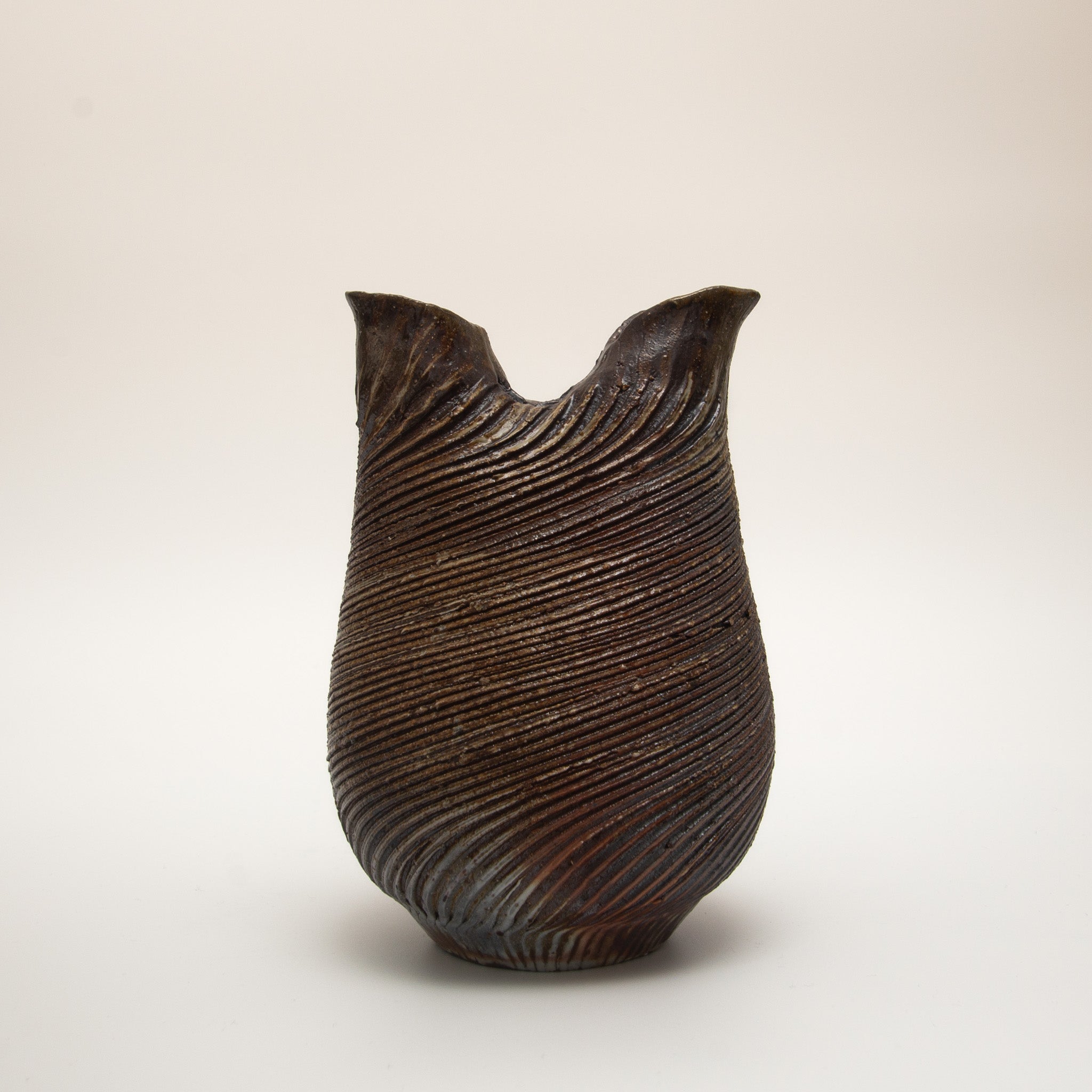
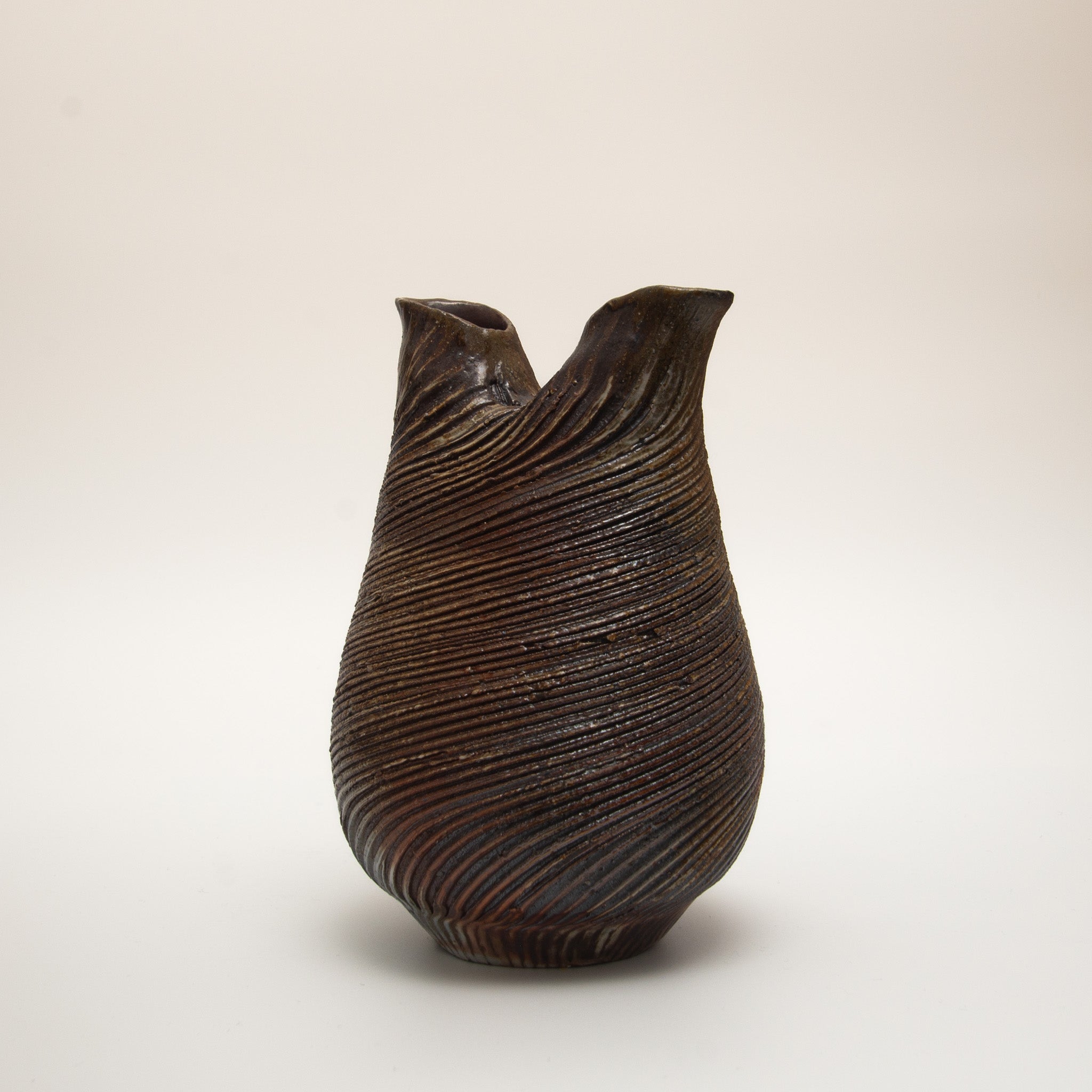
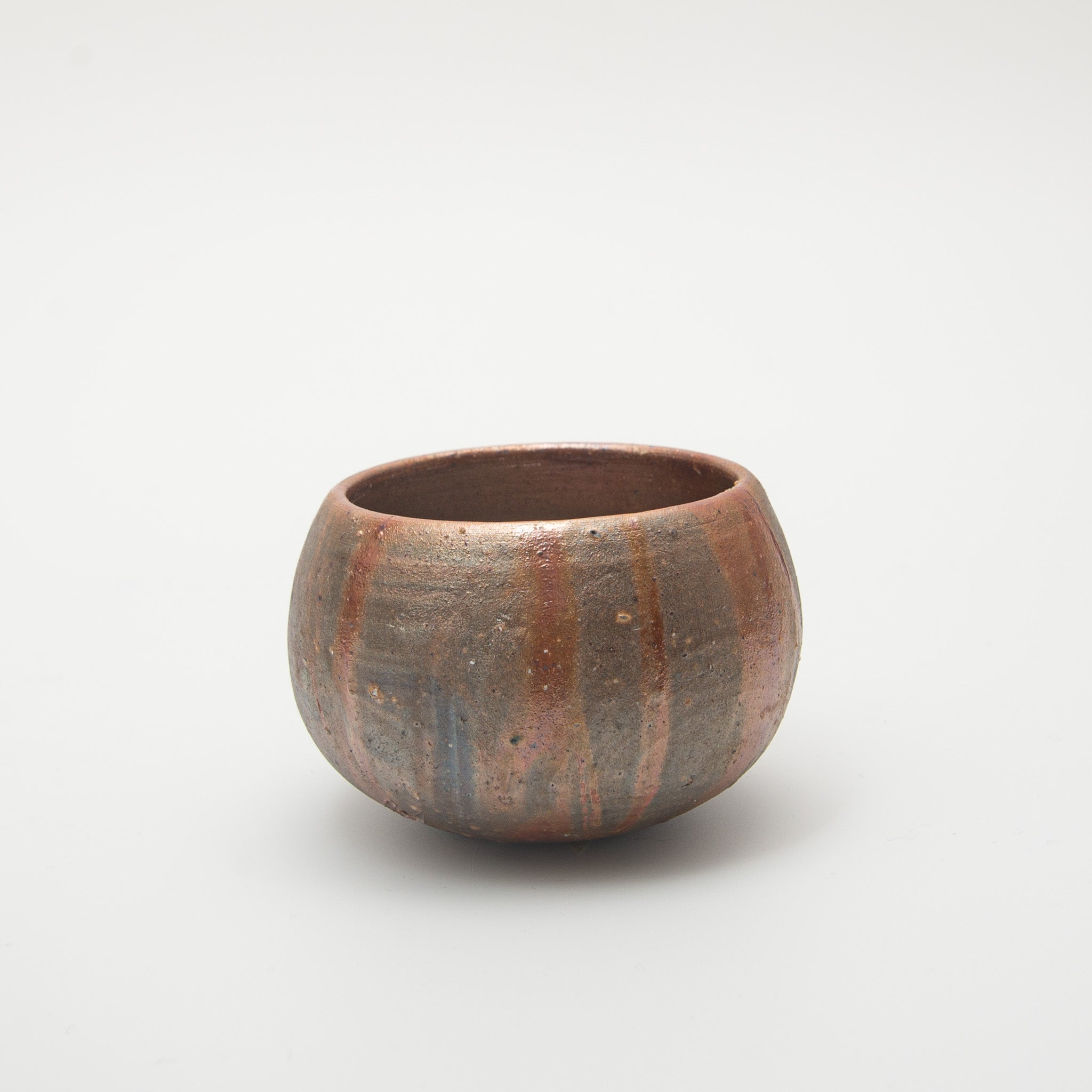
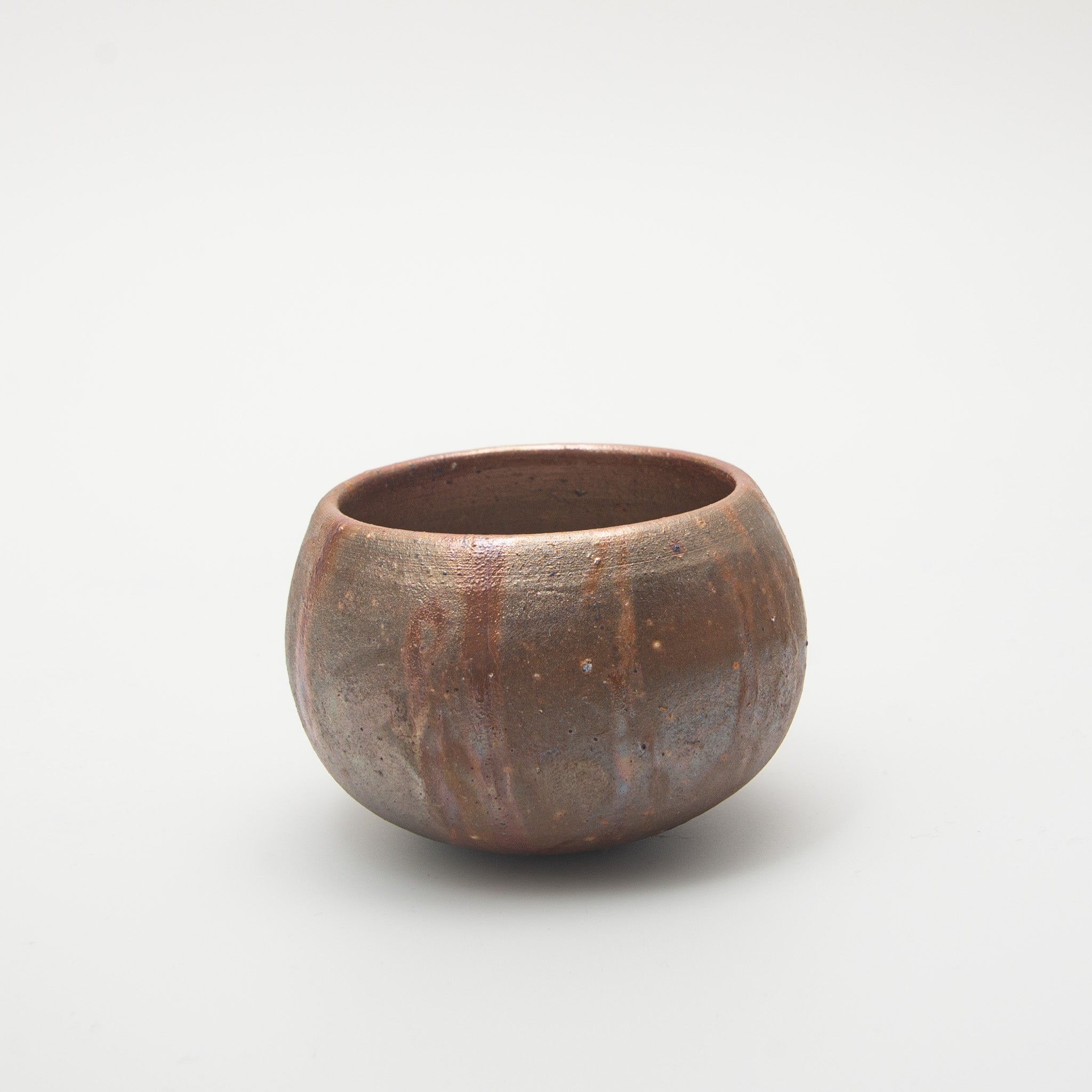
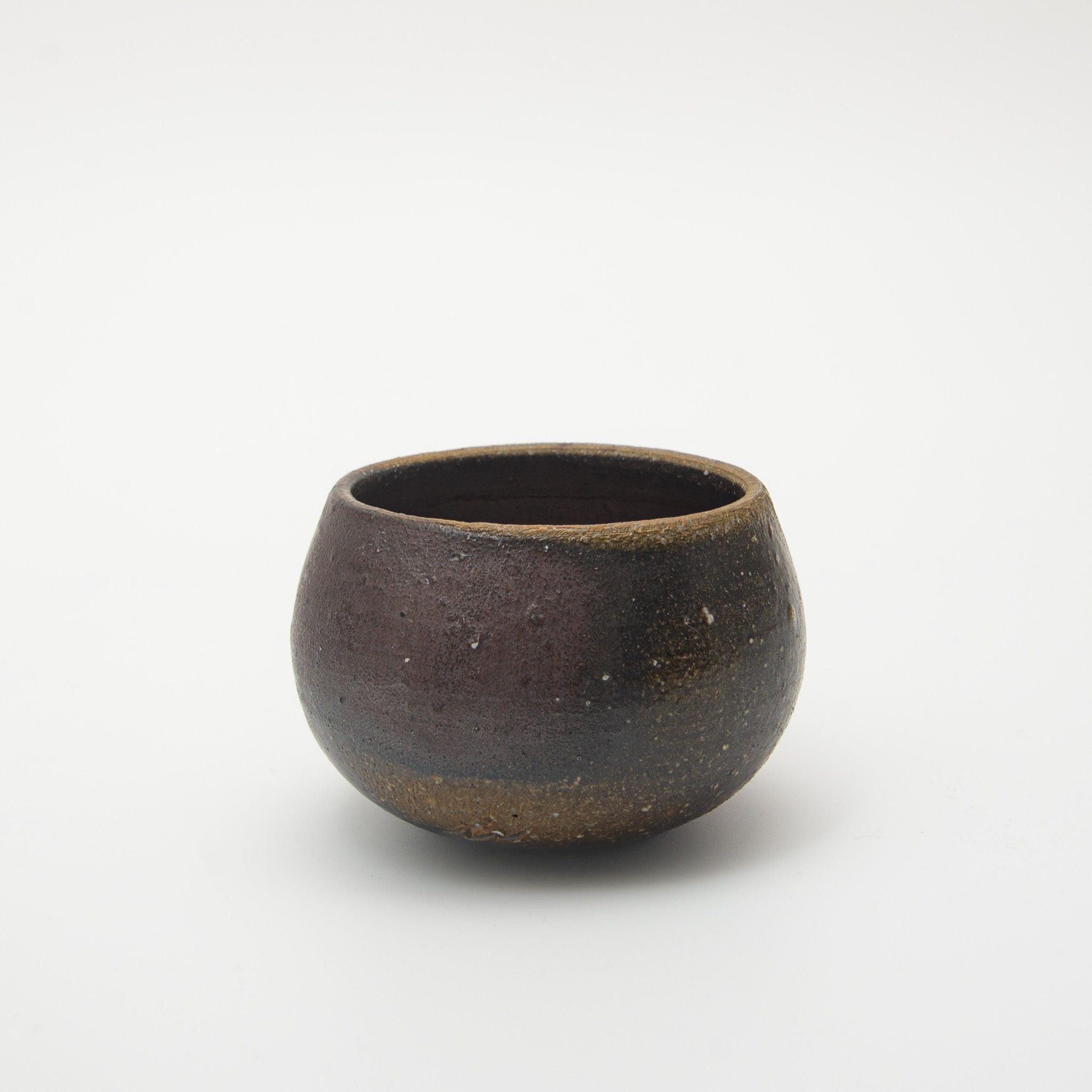
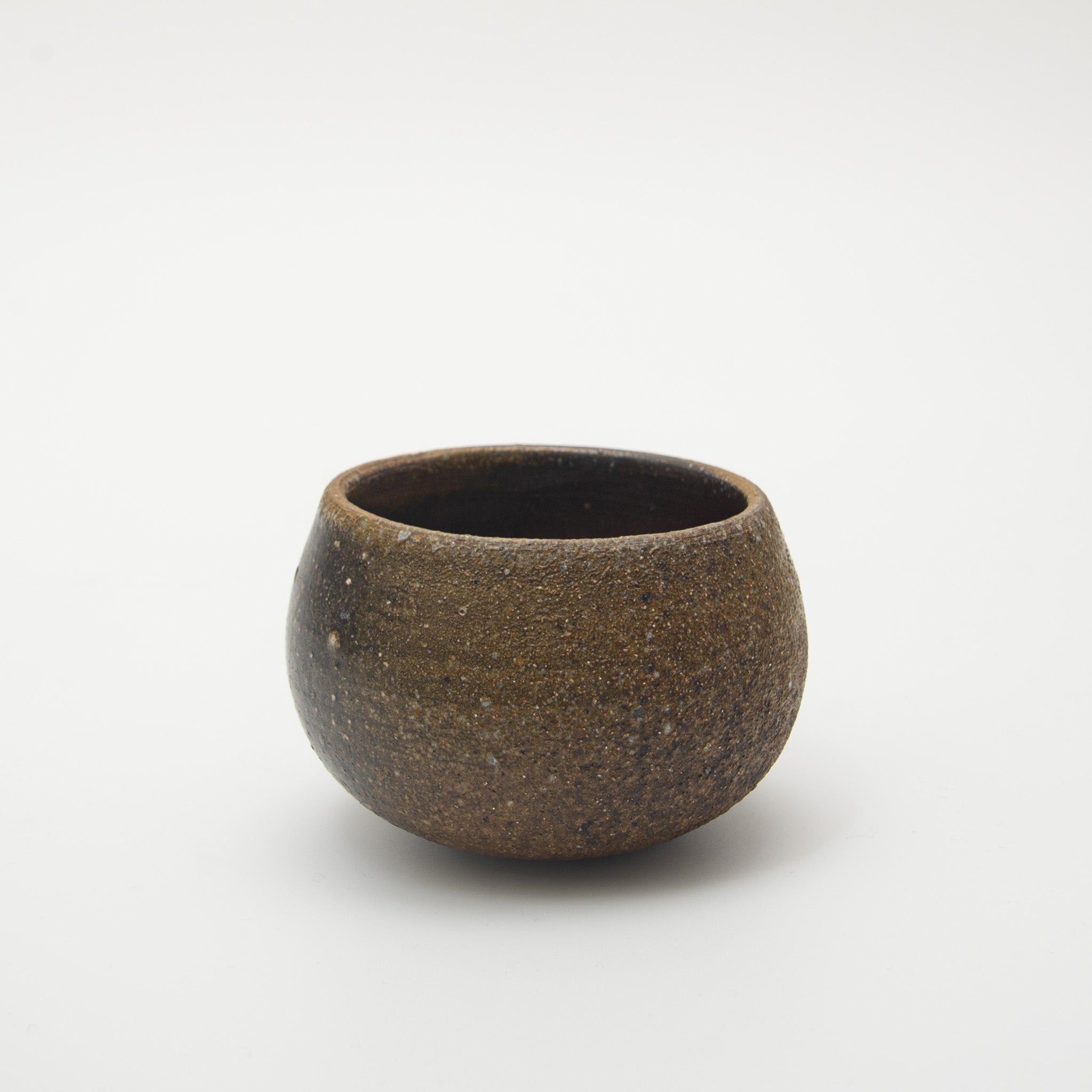
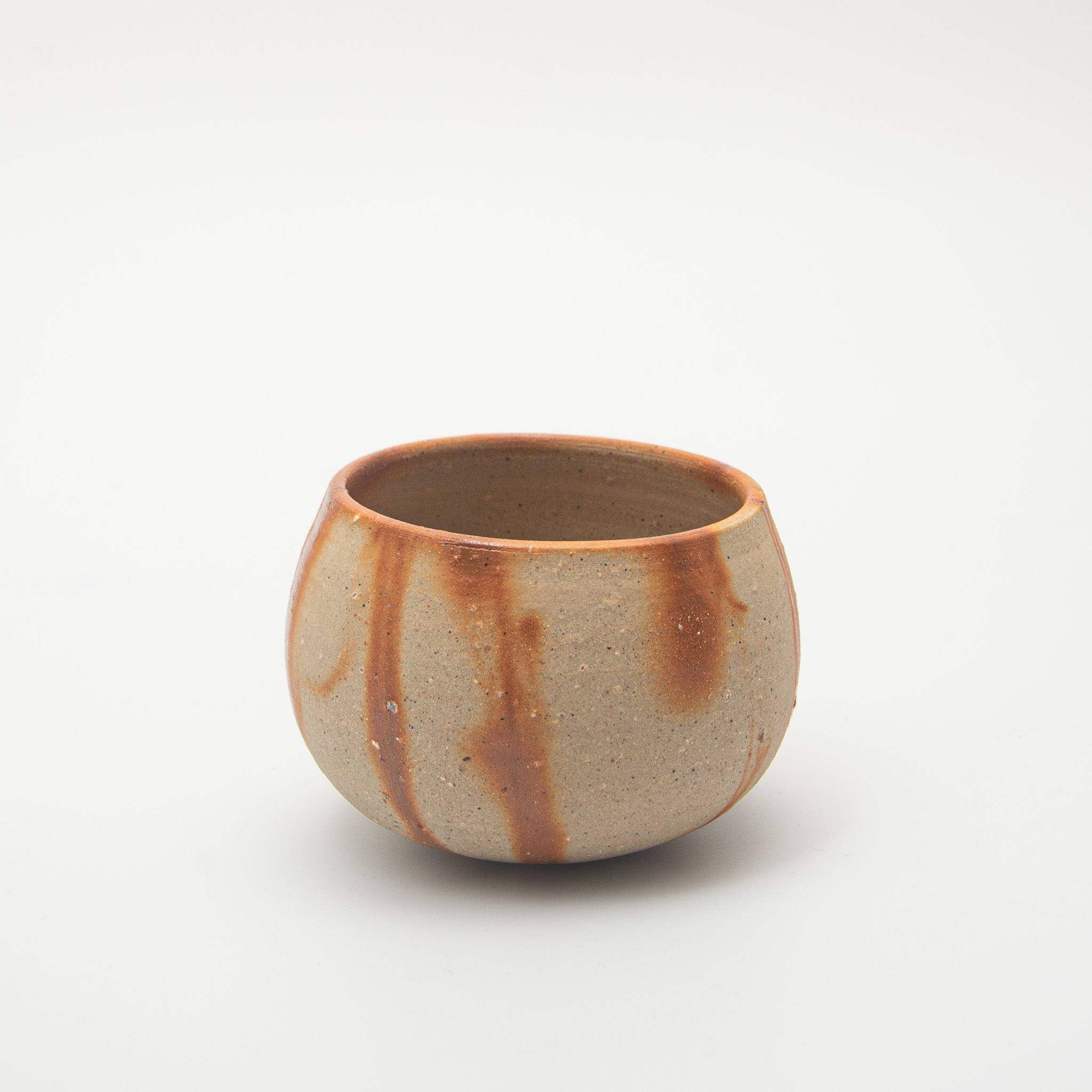
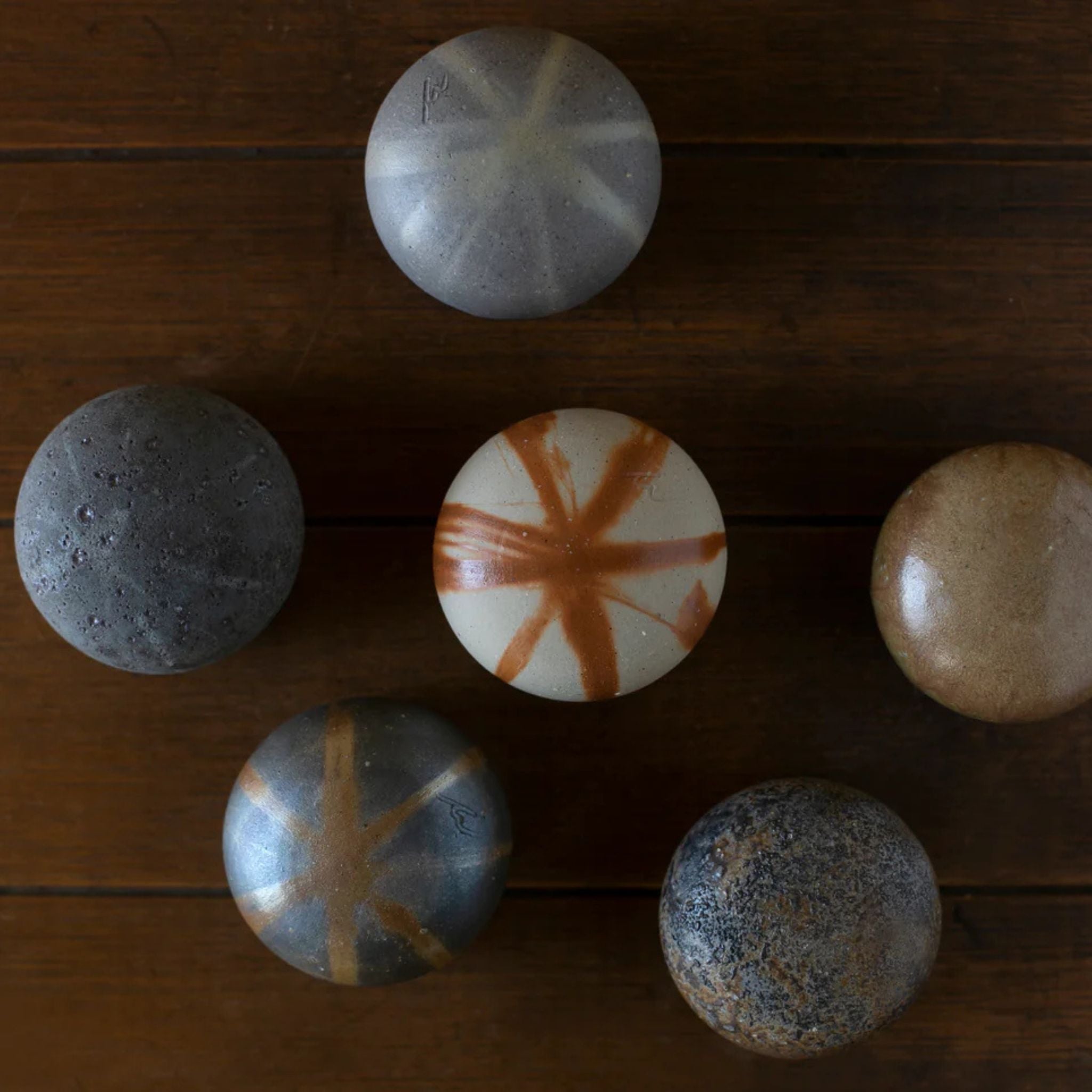
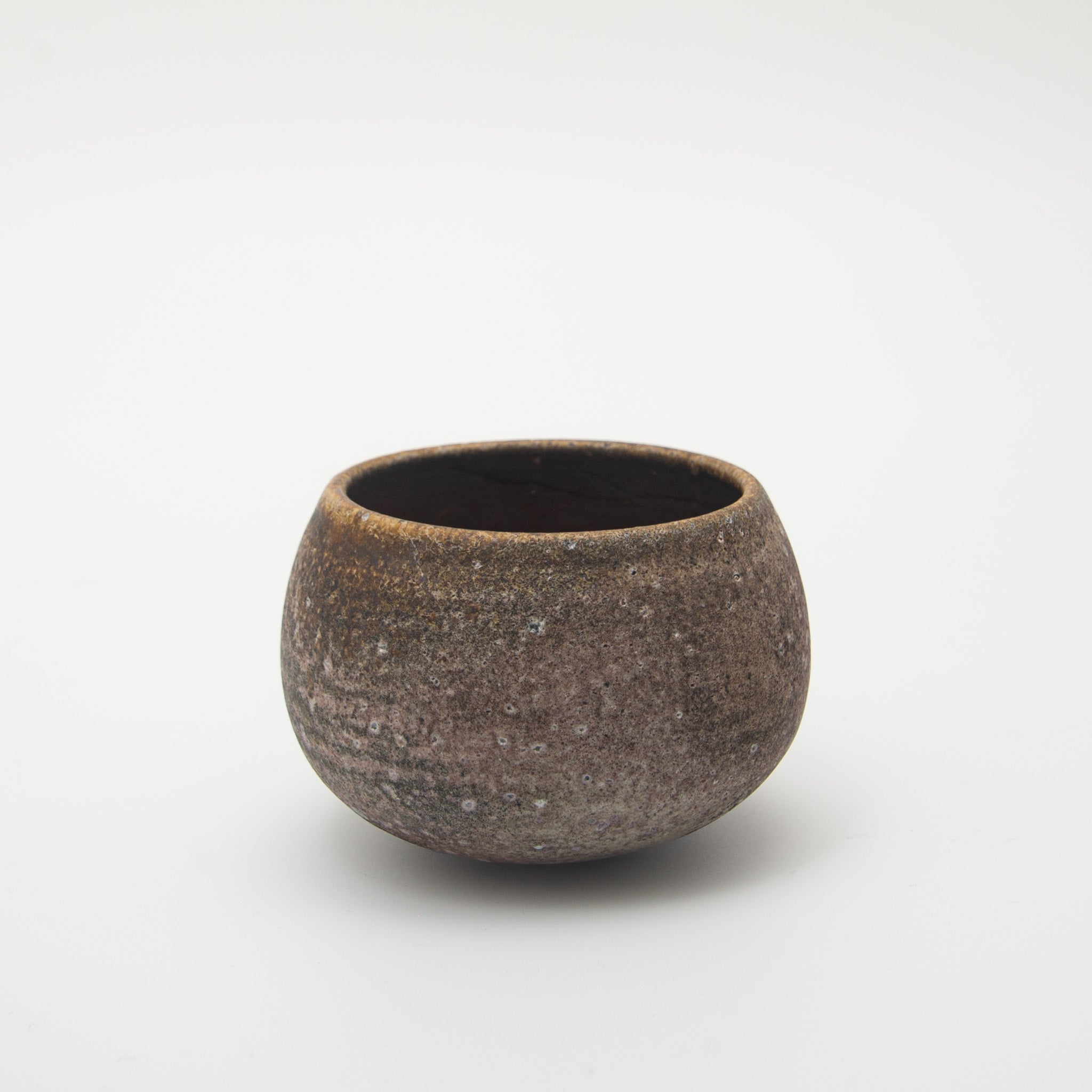
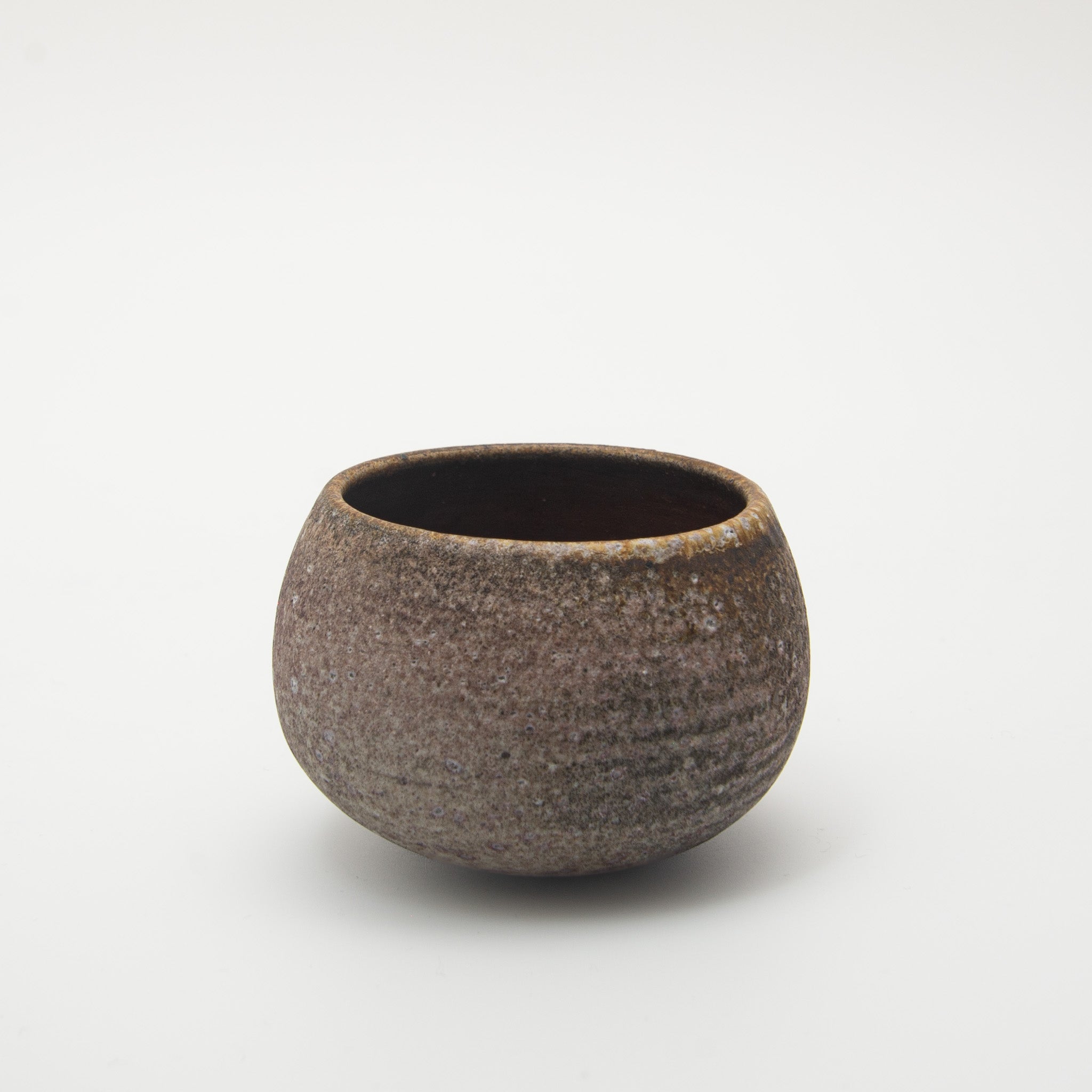
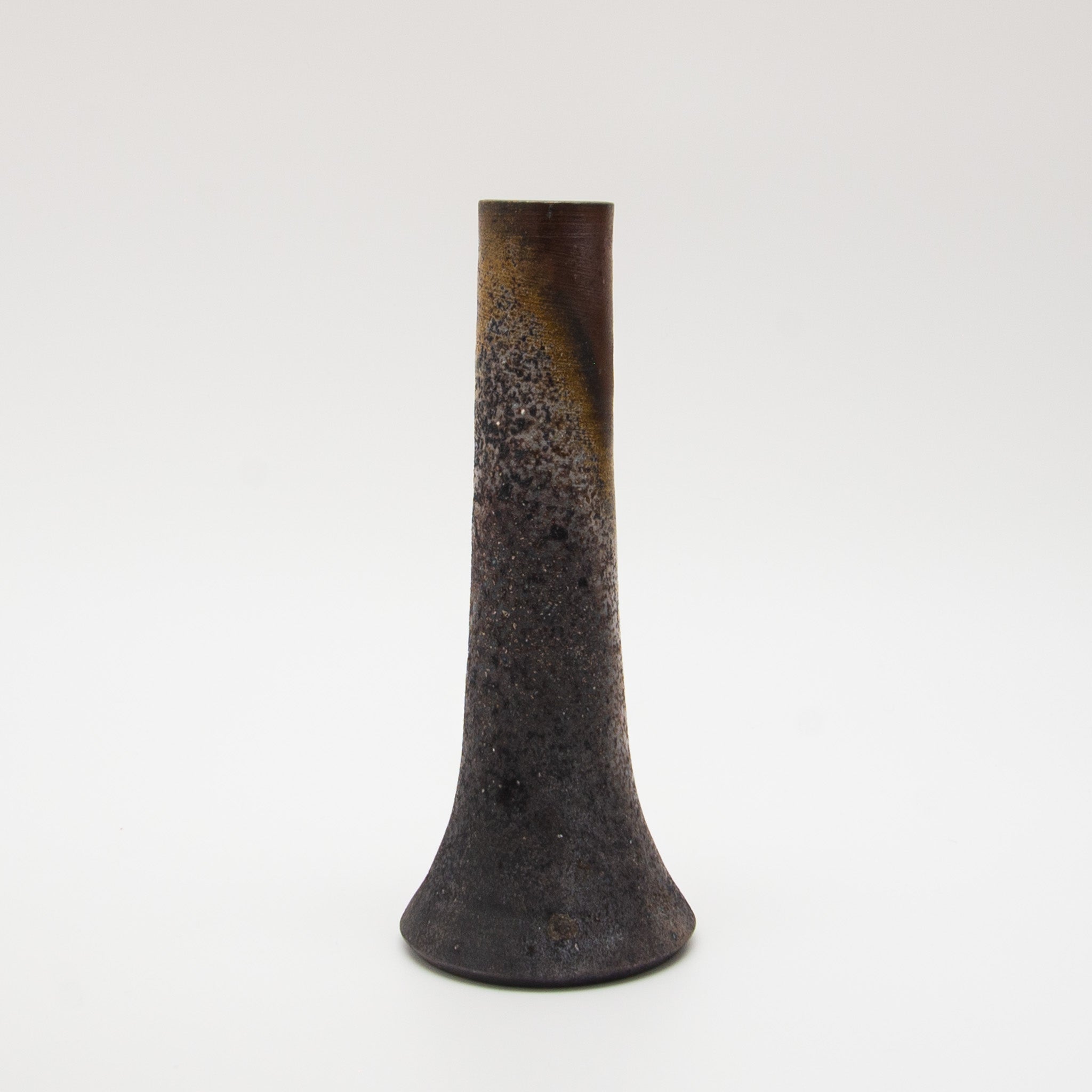
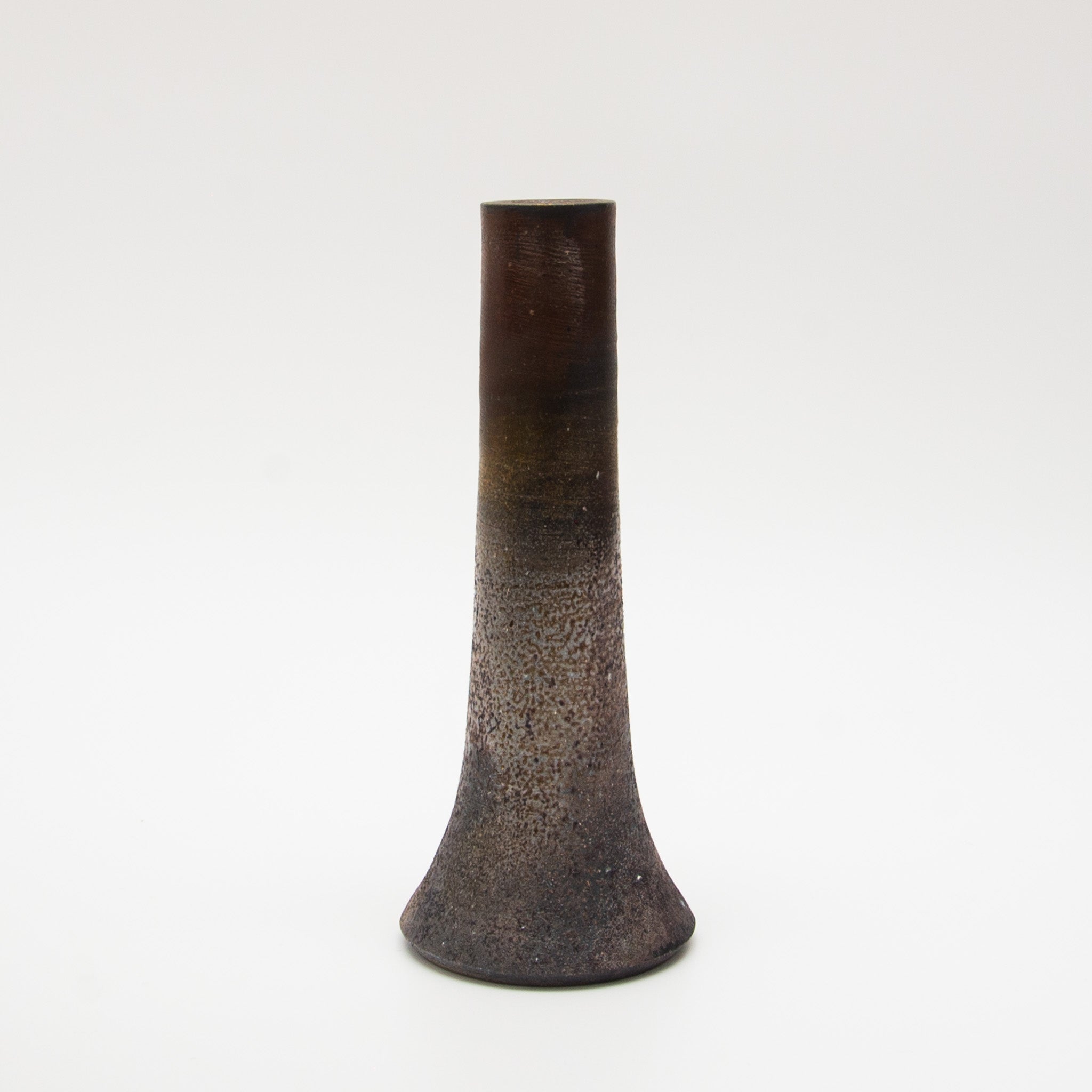
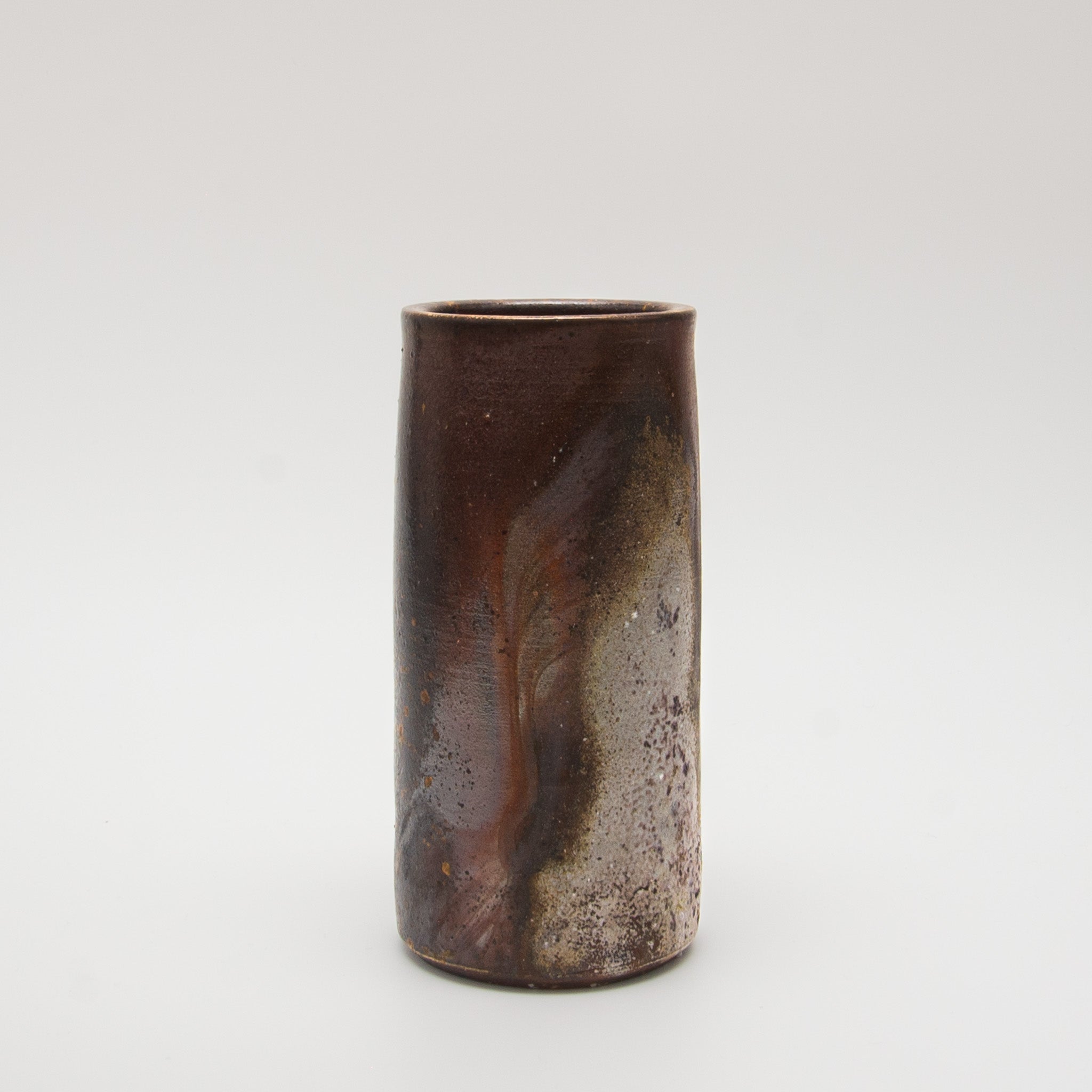
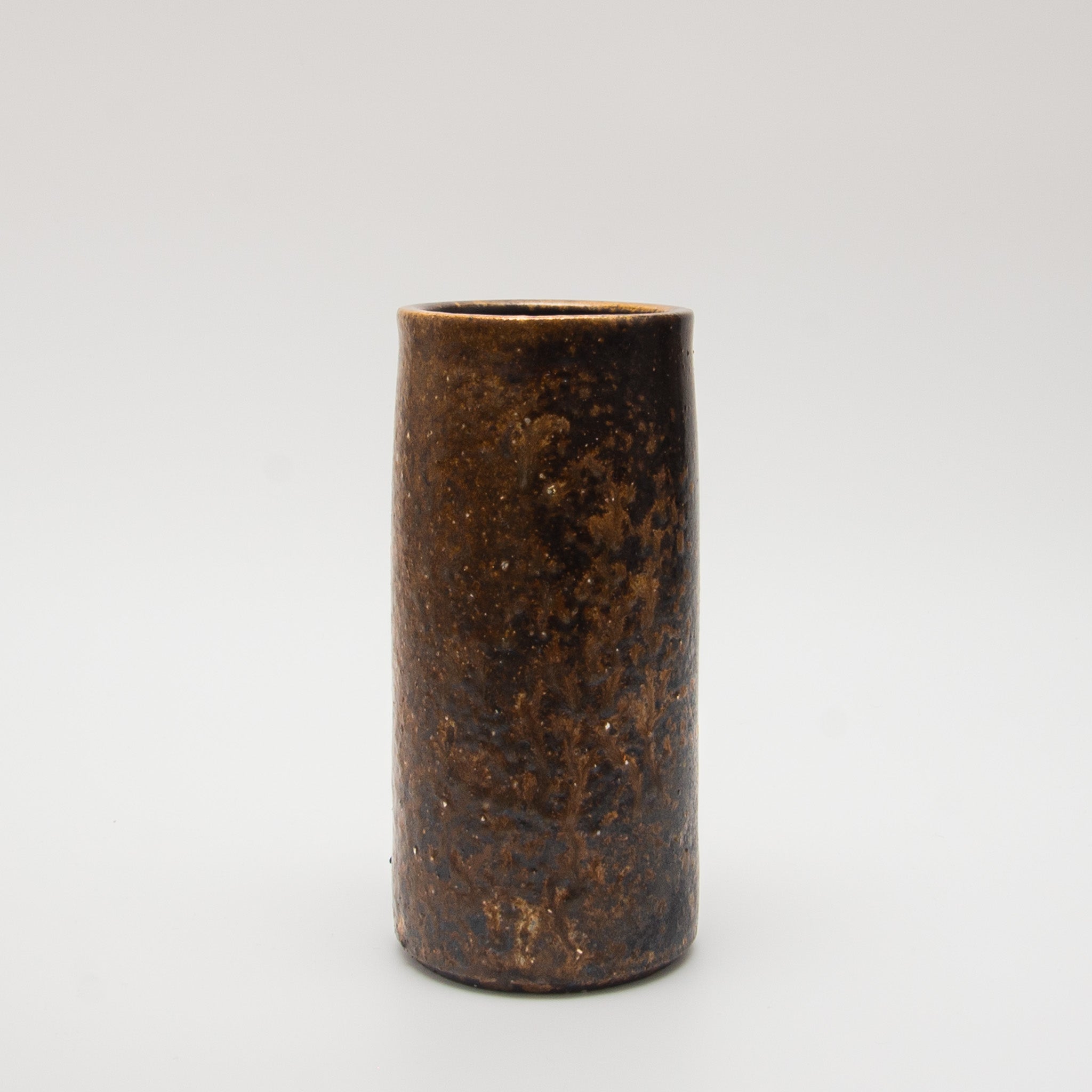
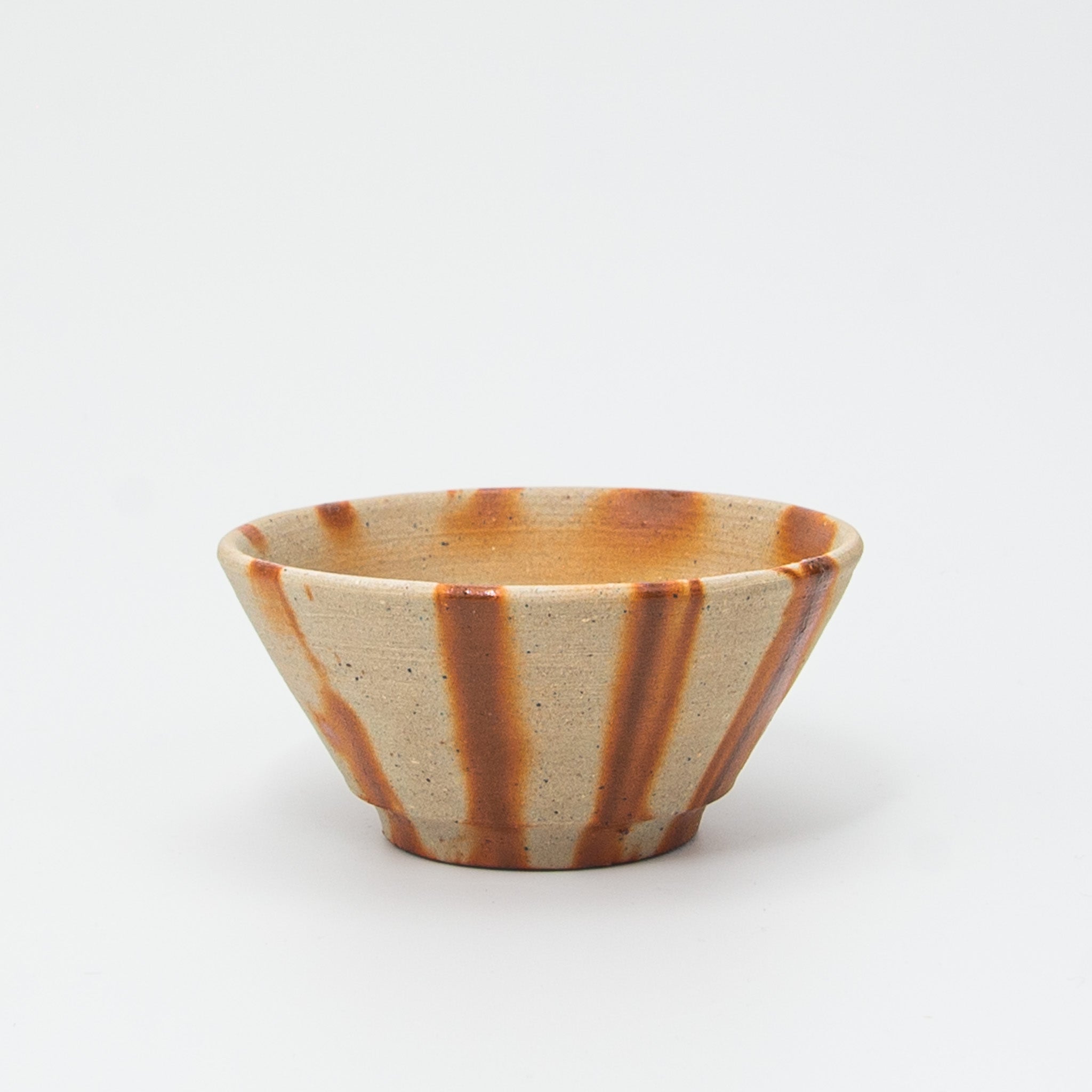
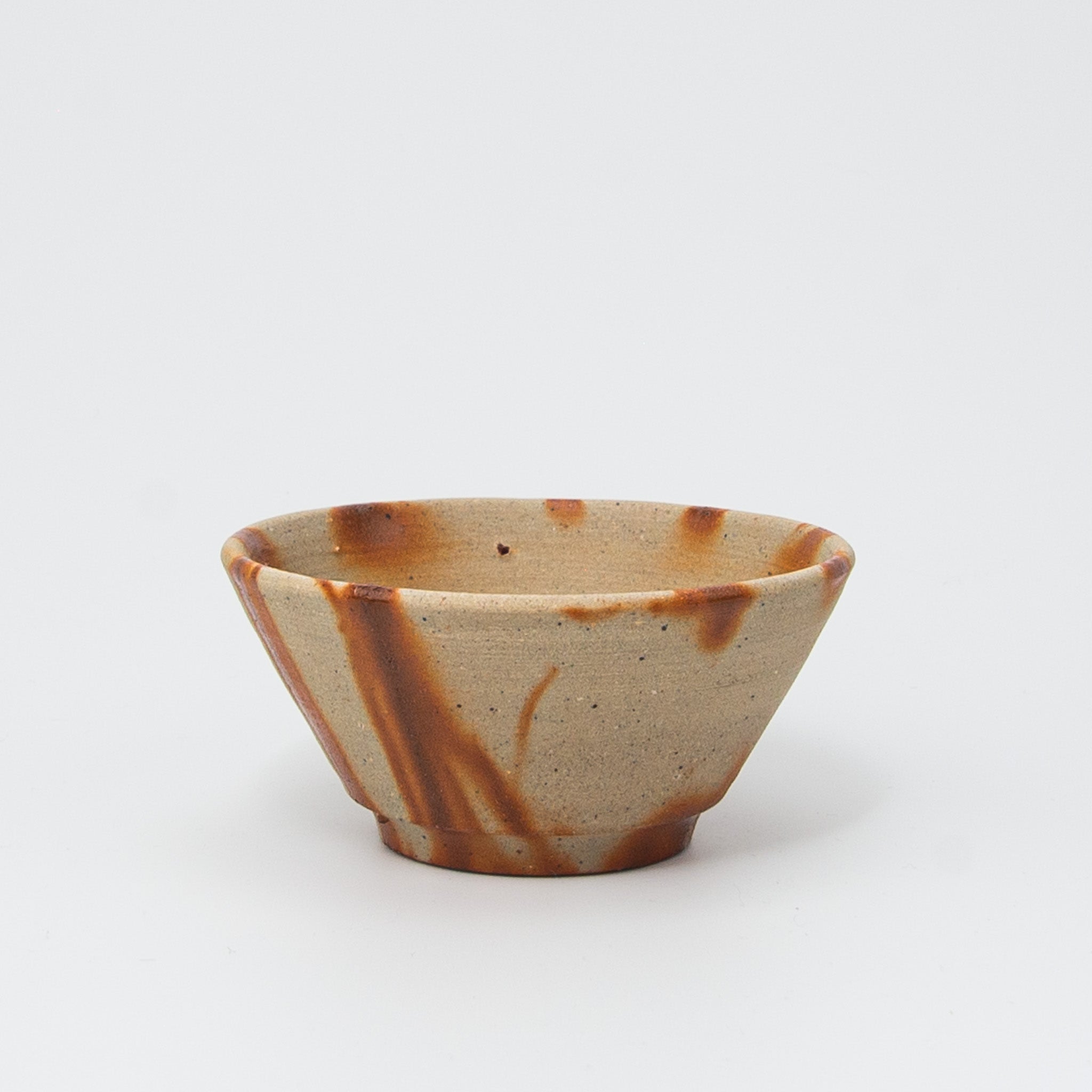
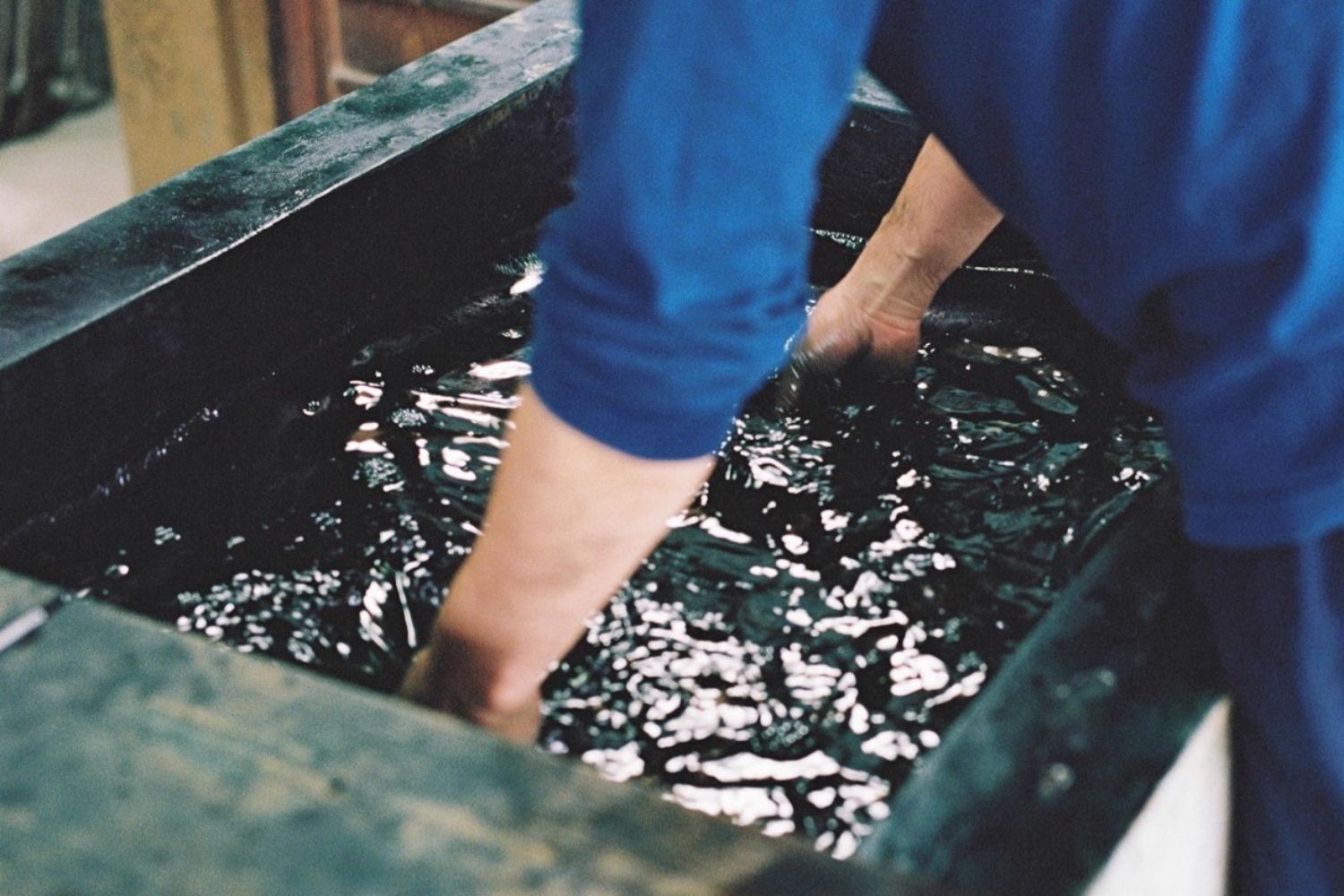
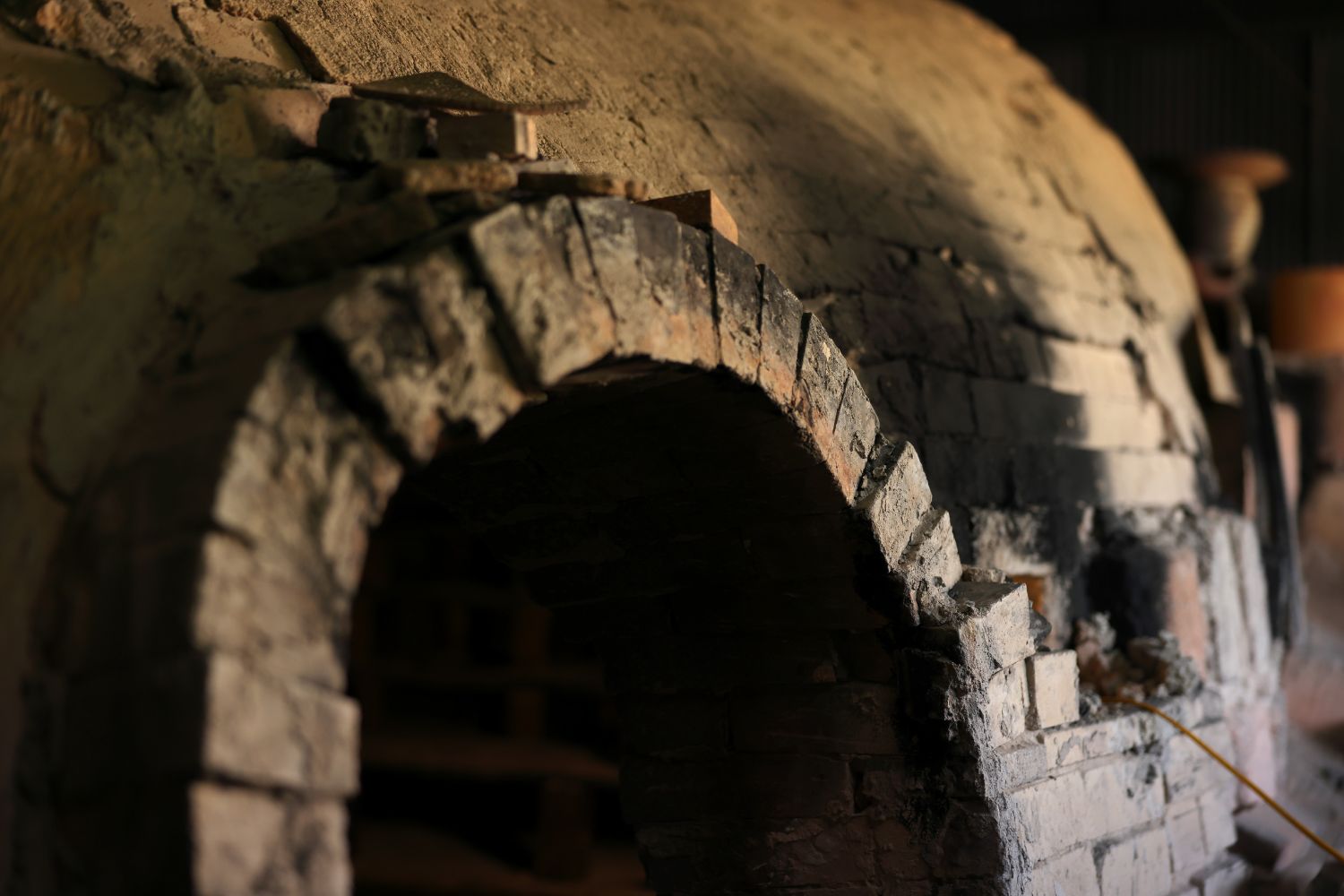
At the heart of Bizen ware is wabi-sabi: an aesthetic that values imperfection, patina, and the quiet beauty of the unadorned. Rather than relying on glazes or colourful finishes, Bizen artists work with clay alone. Each piece is fired slowly and continuously for up to two weeks, allowing fire, ash, and mineral-rich soil to create natural markings that cannot be planned or replicated. The result is pottery that feels alive—textural, understated, and deeply rooted in its landscape.


This purity of process is more than visual. The clay’s natural porosity keeps food warm, drinks cool, and flowers fresh longer, enhancing daily rituals in subtle but meaningful ways. Function and beauty become inseparable.
GENSO is formed by three contemporary Bizen artists, including the 19th-generation successor of a historic kiln. Their collaboration reflects a shared respect for tradition as well as a willingness to explore new expressions within it. Each piece is grounded in centuries of technique, yet carries the individual perspective of its maker—simple, modern forms shaped by a lineage that stretches far beyond them.
In GENSO’s work, Bizen’s long past meets a quiet, thoughtful present. The pieces feel timeless not because they imitate history, but because they continue it.